
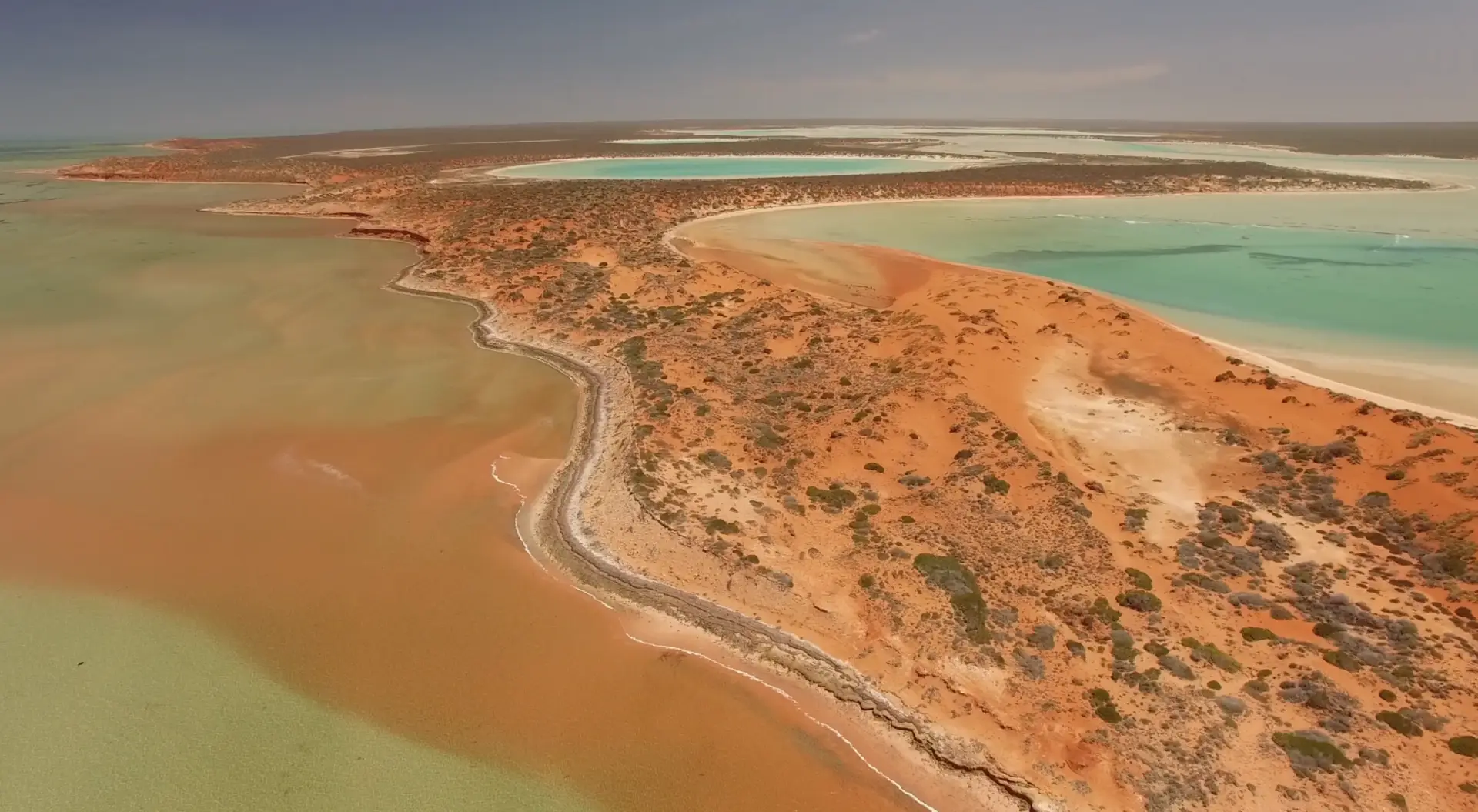
Where is Albany, Western Australia and why does it quietly punch above its weight in music?
There’s a moment that tends to happen in Albany.
It’s usually late afternoon. The light turns honey-coloured, the wind drops just enough to be forgiven, and King George Sound goes glassy. Somewhere nearby, someone is tuning a guitar, or loading an amp out of a boot, or arguing (good-naturedly) about a setlist. And if you’ve never been here before, you start to wonder how a regional coastal town has ended up with this many musicians.
Welcome to Albany, remote, historic, elemental and unexpectedly musical.
First things first: where is Albany?
Albany sits on the south coast of Western Australia, about 418 kilometres south-east of Perth, where the Southern Ocean meets one of the country’s most extraordinary natural harbours. It’s the heart of WA’s Great Southern region, wrapped around King George Sound, and shaped as much by wind and water as by history.
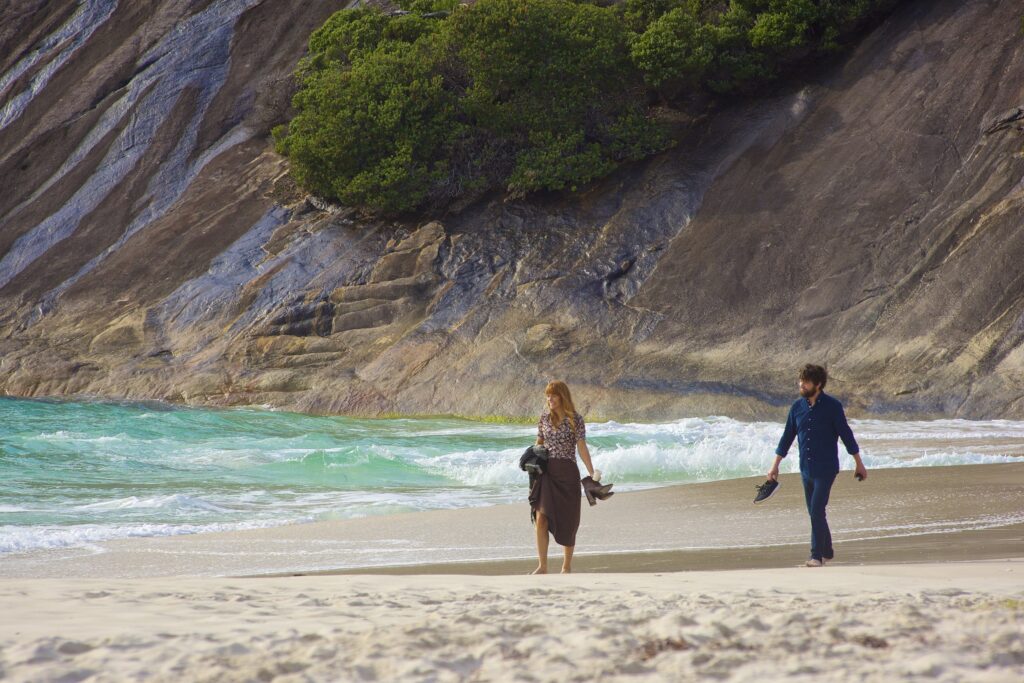
This is not a polished, palm-lined coastal town. Albany is granite headlands, weather that changes its mind hourly, and beaches that feel wild even on calm days. It’s beautiful in a serious way the kind of place that doesn’t try to impress you, but does anyway.
Albany’s history in two minutes (the useful kind)
Albany’s harbour made it strategically important for shipping and defence, and later it became deeply linked with the Anzac story. A large fleet gathered in King George Sound on 1 November 1914 before travelling in convoy to the war, one reason Albany holds such a strong place in national memory, the last sight of home for many.
The ABC & Channel 7 has also covered Albany’s “last sight of Australia” role for many Anzacs.
A town built on deep time (and deep stories)
Long before European ships arrived, Albany was and remains Kinjarling, home to the Menang Noongar people. That sense of continuity matters here. You feel it in the landscape, in the way stories are told, and in the respect locals tend to have for place.
European settlement arrived early, in 1826, making Albany one of Western Australia’s oldest towns. Whaling was one of its legacies and then it was very much a harbour town where many immigrants arrived early and became part fo in Western Australia’s history. Its natural harbour meant it was always strategically important, but it’s Albany’s role in Australia’s Anzac story that gives it national resonance.
History here isn’t tucked away behind glass. It’s layered into the town’s identity, and that depth quietly feeds its creative life.

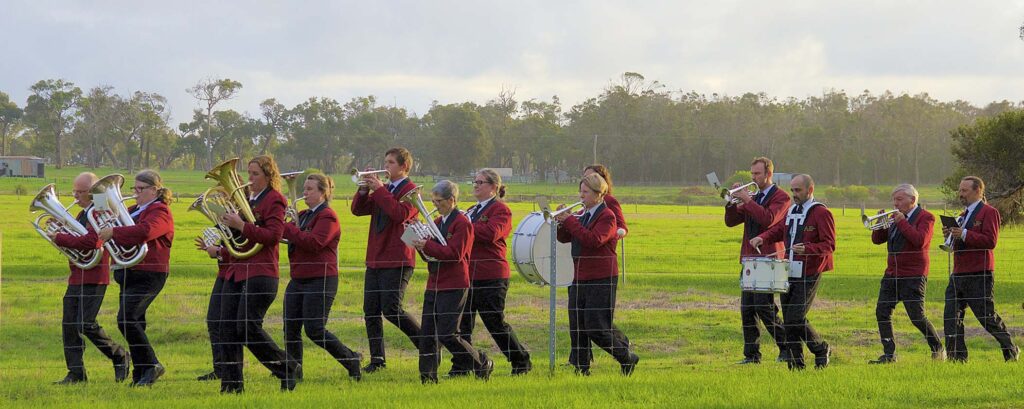
Okay, but why are there so many musicians in Albany?
There isn’t one single reason, it’s a stack of ingredients that, together, makes a proper music ecosystem.
The venues are real and they’re used
Albany doesn’t treat live music as an afterthought. The Albany Entertainment Centre brings national and international acts to town, while smaller venues keep local gigs alive week after week. This mix matters: it gives emerging musicians somewhere to start and something to aspire to.
The community music culture is organised (choirs to ukuleles to bands)
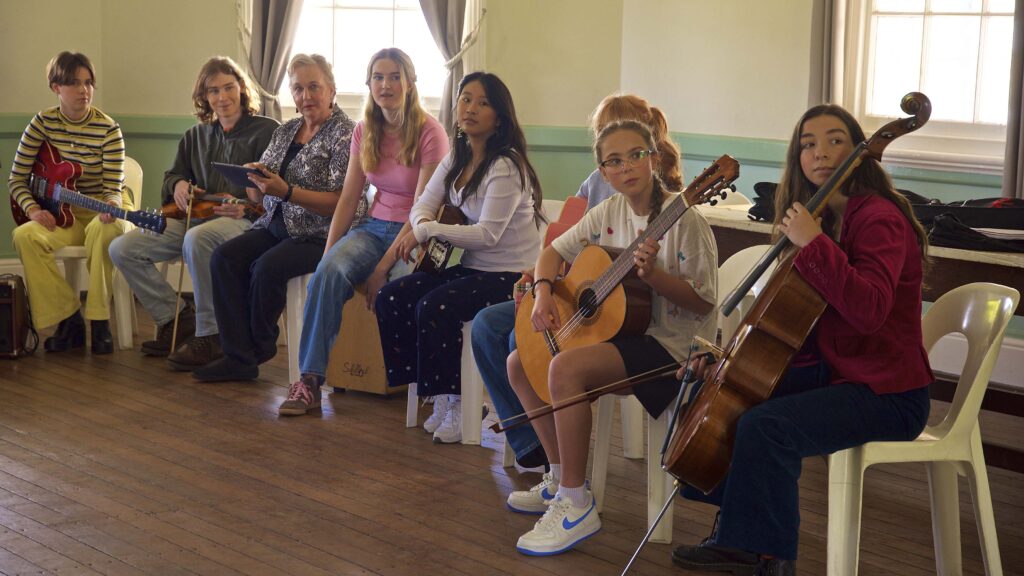
A City of Albany / Great Southern music study describes Albany as having a strong, established and diverse community music scene, supported by professional musicians, teachers, schools and local music businesses. That matters. Towns don’t magically become musical, someone is teaching, mentoring, hosting, booking, and turning up.
Music is taught, shared, passed on
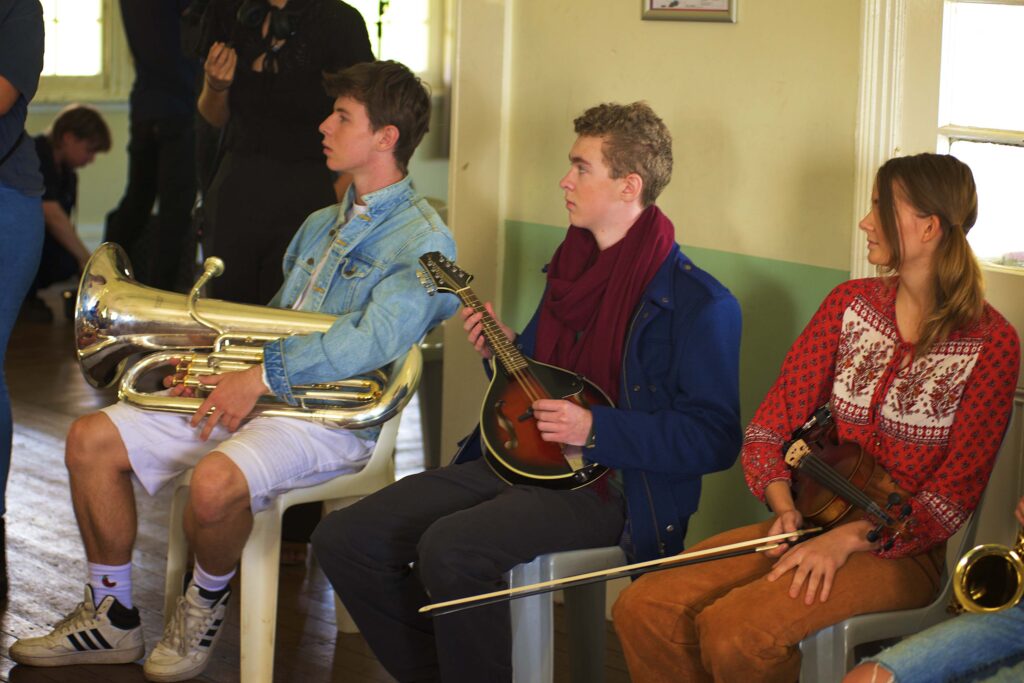
From school programs to private tutors, choirs to bands, Albany has long supported music education. There’s a sense that music isn’t just entertainment, it’s a community skill. Something you do together, not just consume.
Training pathways exist locally
WAAPA (Edith Cowan University) has promoted contemporary music training in Albany, including a one-year diploma pathway run in the region. That’s a big deal: it keeps young musicians learning and networking without immediately having to move.
Local government and community investment keeps momentum going
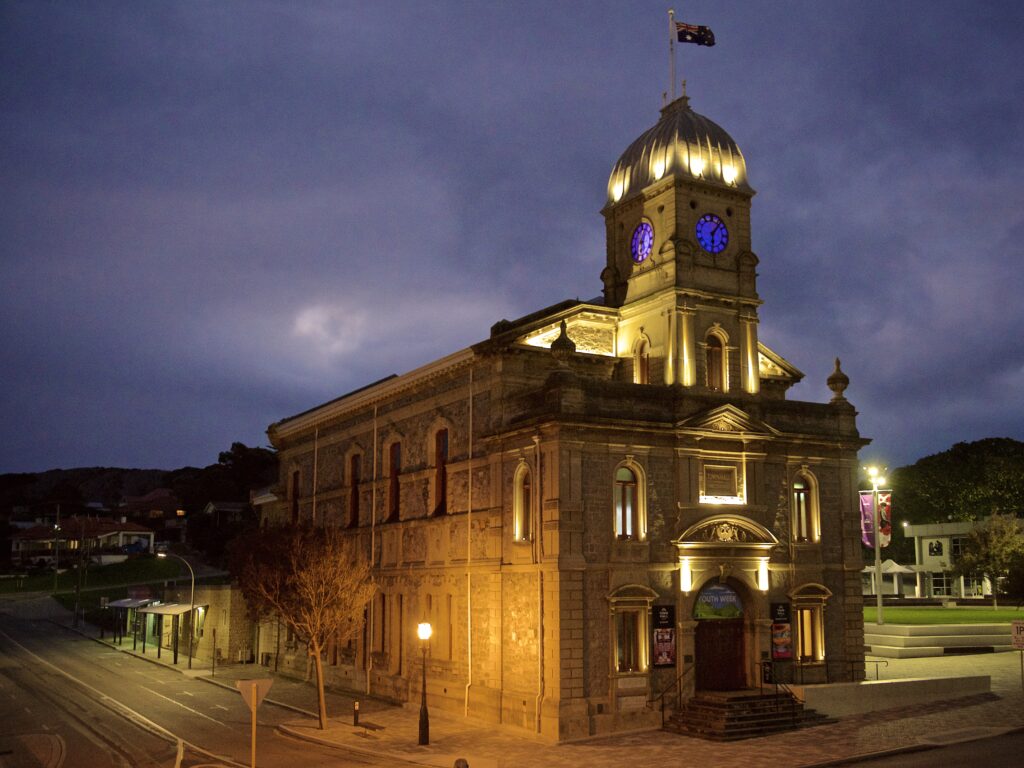
The City of Albany has publicly discussed funding support to expand live music programming (including activity around the Town Hall as a live music hub).
When a town treats gigs as part of civic life (not a nuisance to be tolerated), musicians stay—and more appear.
Geography helps (yes, really)
Albany is far enough from Perth to create a healthy “do it yourself” culture. When touring bands don’t come every weekend, locals form bands, run nights, share gear, and build scenes. Add dramatic landscapes, long drives, winter storms, and big feelings… and you’ve basically described half of indie songwriting.
Regional life leaves room to create
Albany offers what many musicians crave: space, affordability (by city standards), time, and landscape. Long drives. Stormy winters. Quiet mornings. The sort of environment that encourages writing, collaboration, and thinking a little deeper than your rent increase.
And then there’s the weather. Windy, dramatic, occasionally unforgiving. It has a way of pushing feelings to the surface, excellent raw material for songwriting.
Tourism and events create audiences
Albany is a tourism town with year-round reasons for visitors to be around nature, heritage, museums, Anzac history, coastal trips, so there’s often a rotating audience for weekend gigs and seasonal events.
Arts, culture, and the rhythm of the town
Albany’s creative life doesn’t stop at music. Galleries, writers, visual artists, filmmakers and performers all find their place here, often overlapping in the same social circles. Events and festivals dot the calendar, and arts funding tends to be seen as civic infrastructure rather than indulgence.
It’s a town where:
- the bartender might also be in a band,
- the sound tech teaches music during the week,
- and the audience actually listens.
That last part is important.
Beyond the gigs: why people fall for Albany
Even if you never step into a live venue, Albany gets under your skin.
There’s Torndirrup National Park, where the Southern Ocean crashes into sheer granite at The Gap. Middleton Beach, calm and curved and ideal for long swims. The Museum of the Great Southern, which grounds you in the region’s stories. And the National Anzac Centre, quietly powerful, overlooking the harbour that carried so many away.
Albany is a place people come to visit and then quietly check real estate listings.
The best time to experience it?
Albany doesn’t really do “bad seasons.”
Spring brings wildflowers and long, clear days. Autumn is golden, calm, and ideal for coastal wandering. Winter is moody and magnificent, big seas, dramatic skies, and very good reasons to sit inside listening to music. And Summer … well it’s Summer. Each season adds a different note to the town’s soundtrack.
Albany isn’t loud about its music scene. It doesn’t brand itself aggressively or shout about being creative. It simply is a place where history runs deep, nature is ever-present, and music has space to grow.
And maybe that’s why it works.
Because sometimes the best scenes aren’t built to be discovered. They’re built to be lived in one song, one gig, one coastal sunset at a time.
Subscribe
Other Posts